In the collective imagination, The Bahamas is quintessential James Bond territory. It is second only to Jamaica as 007’s favorite travel destination. The country may feature in just two of Ian Fleming’s books (Quantum of Solace and Thunderball), but some seven of the movies have been filmed there — three largely above ground, four others solely for their underwater scenes (You Only Live Twice, The Spy Who Loved Me, For Your Eyes Only and The World Is Not Enough). Over the decades, the Caribbean nation’s exceptionally clear, shallow waters and community of expert divers have proved a power draw.
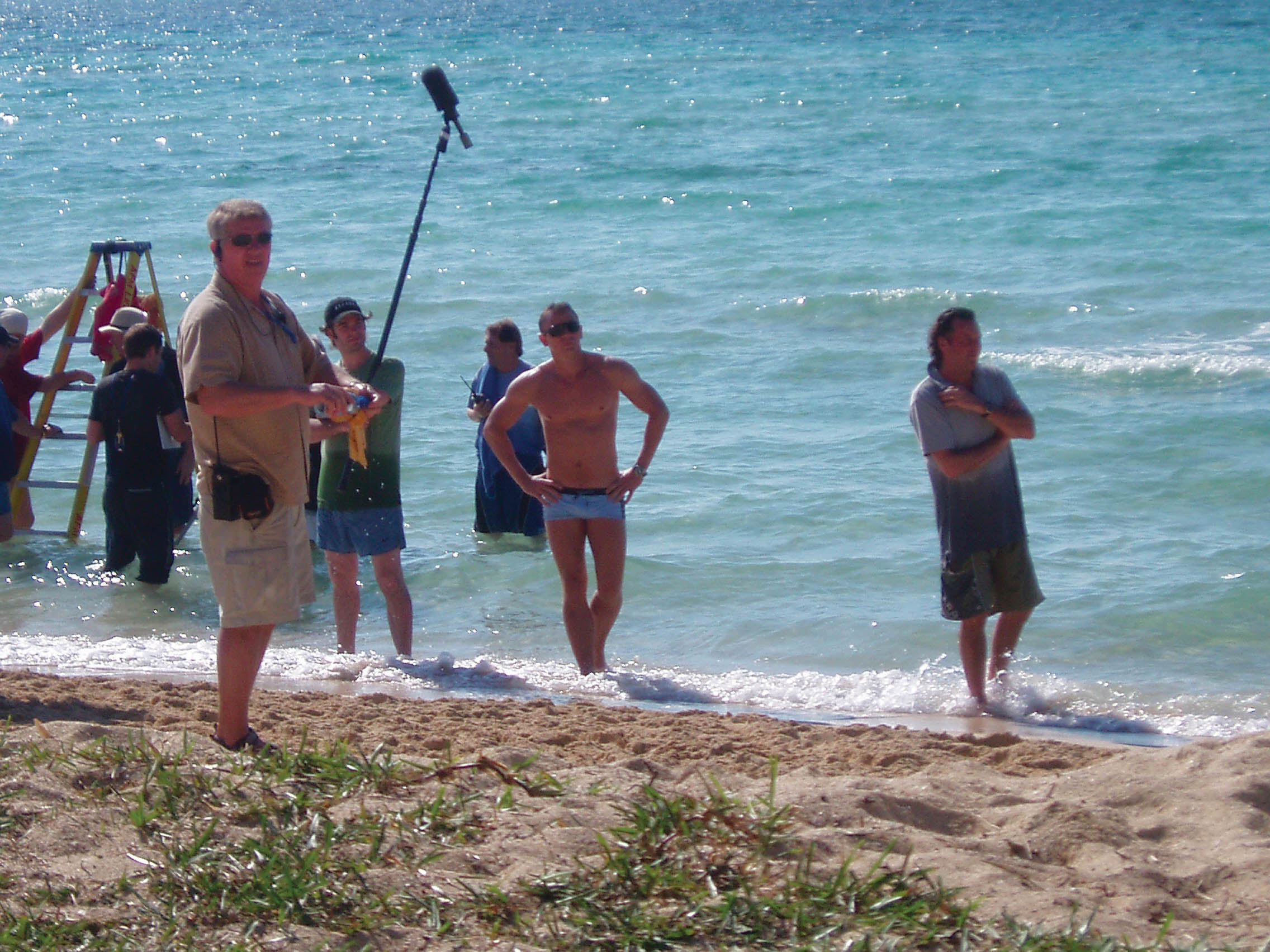
Paradise Island has also played a significant part in adding a dose of glamour to the Bond myth. “On the north coast, the beaches and sea are just glorious,” says Simon Firth, 007 expert and author of Filming James Bond in The Bahamas. “There are huge, huge swathes of sand that really have a very special color.”
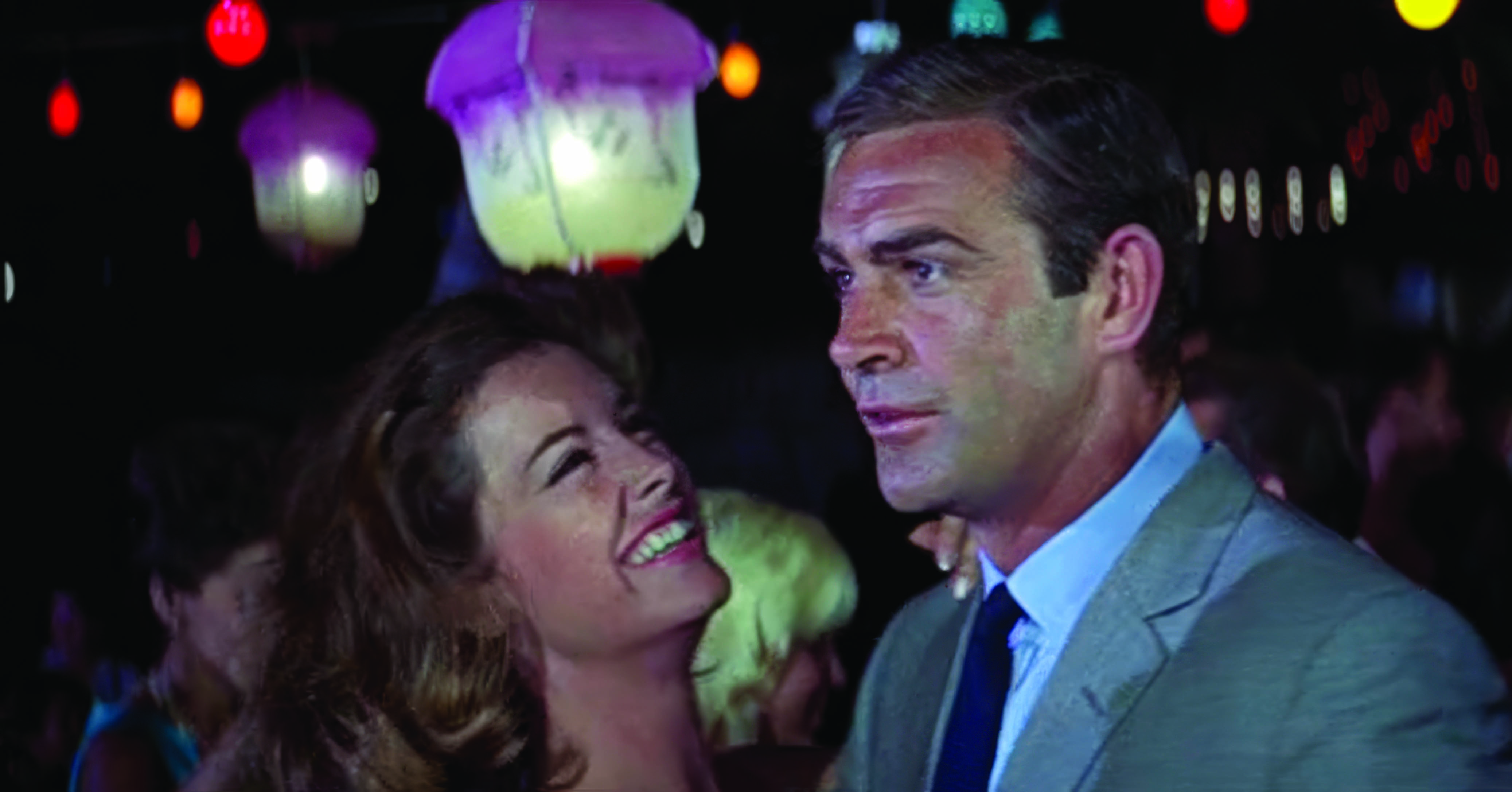
The first time Bond traveled there was in 1965 for Thunderball, when Sean Connery’s Bond followed in the tracks of eye-patched villain Largo, who had orchestrated the hijacking of a military jet with a stash of nuclear warheads on board. Bond comes ashore at Paradise Beach, close to the current The Reef at Atlantis hotel, after getting a lift in the boat of Largo’s sultry French girlfriend Domino Derval by pretending to have technical problems with his own vessel.
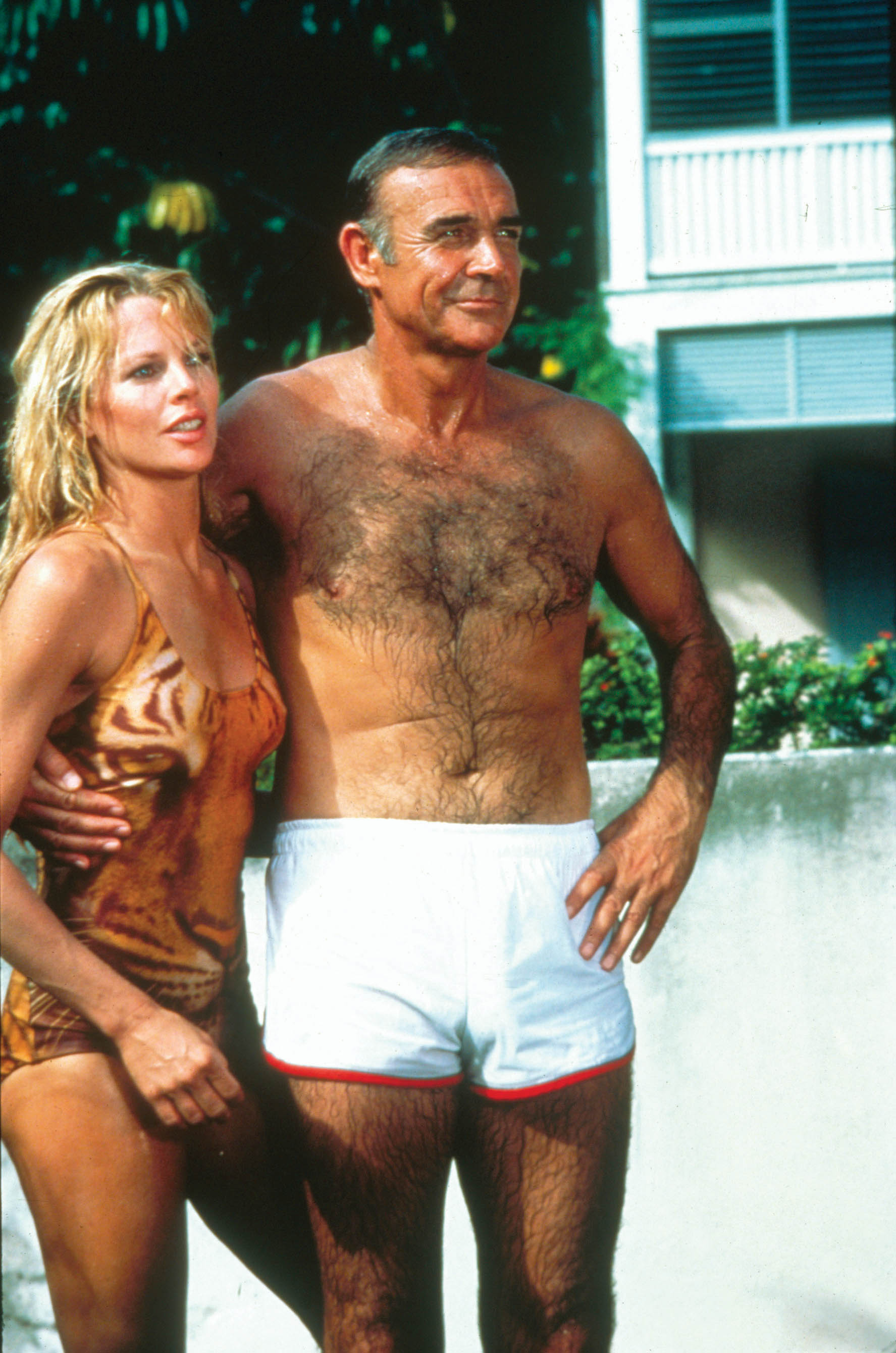
Connery returned to Paradise Island in 1982 for the movie’s remake, Never Say Never Again. Its final scene was filmed on the grounds of a lush, four-acre estate owned by the film’s Irish producer, Kevin McClory. In the scene, Domino (played by Kim Basinger) climbs out of a swimming pool designed by actor Larry Hagman’s real-life wife, and joins Bond in the adjacent hot tub.
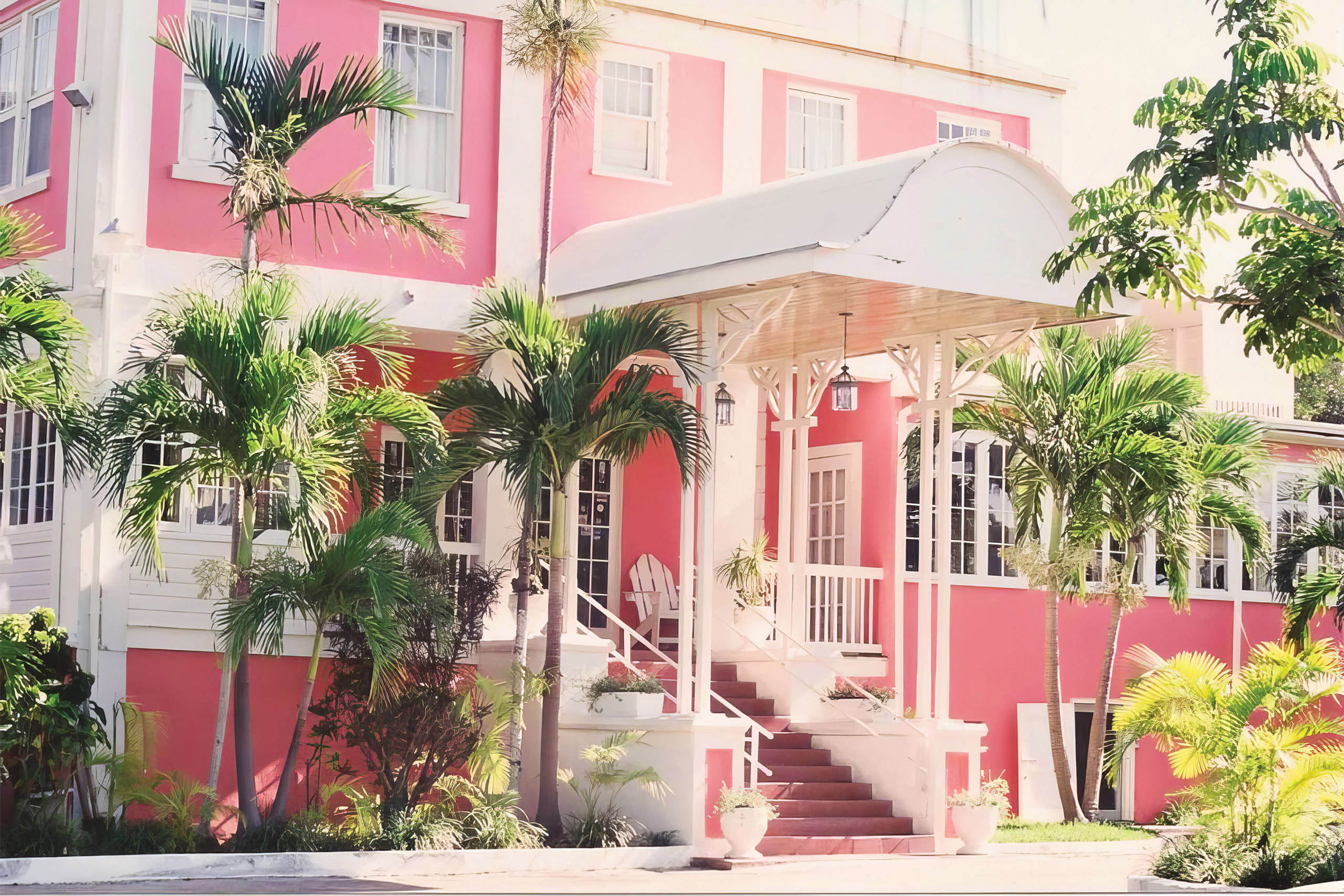
The iconic spy’s most recent visit came in the 2006 adaptation of Casino Royale, which had initially been slated to be filmed between Prague and South Africa. That, however, was before the movie’s director, Martin Campbell, made a scouting trip to Paradise Island and stayed at what is now The Ocean Club, A Four Seasons Resort. “It was so stunningly beautiful and leant itself so well to Bond,” he writes in the foreword to Firth’s book.
After touching down in a small seaplane, Bond (played by Daniel Craig) makes his way directly to the luxurious 52-room hotel, where he is mistaken for a valet by another guest, who entrusts him with the keys to his Range Rover. Bond deliberately crashes it into a barrier in the car park to create a diversion and gain access to the hotel’s security room. He then goes on to win the vintage Aston Martin DB5 of Alex Dimitrios (an associate of international terrorism financier, Le Chiffre) at the poker table, and, in typical Bond style, drives off with Dimitrios’ wife. The casino scene was filmed in the hotel’s library.
Later in the movie, Bond returns to The Ocean Club for a briefing in the garden with M (played by Judi Dench). “I would ask you if you could remain emotionally detached, but I don’t think that’s your problem, is it, Bond?” she asks him in the film.
I would ask you if you could remain emotionally detached, but I don’t think
that’s your problem,
is it, Bond?”
Bond creator Fleming certainly had an attachment to the Caribbean. He famously built himself a villa called Goldeneye on the north coast of Jamaica and spent two months of every winter there between 1952 and 1964 hammering out the books. His links to The Bahamas are less well-documented, but he is known to have joined a scientific mission to a flamingo colony on the southernmost island, Inagua, in 1954. One of his closest friends, Ivar Bryce, had a villa called Xanadu on New Providence Island, and Fleming’s mother, Evelyn, also took up residence there to escape media attention in England after becoming embroiled in a court case surrounding her relationship with the Marquess of Winchester.
In the late 1950s, Fleming worked on a screen treatment for an underwater Bond movie based in The Bahamas with Kevin McClory and writer Jack Whittingham. When finances fell through, he turned the story into the novel Thunderball and ended up being sued by his collaborators for breach of copyright.
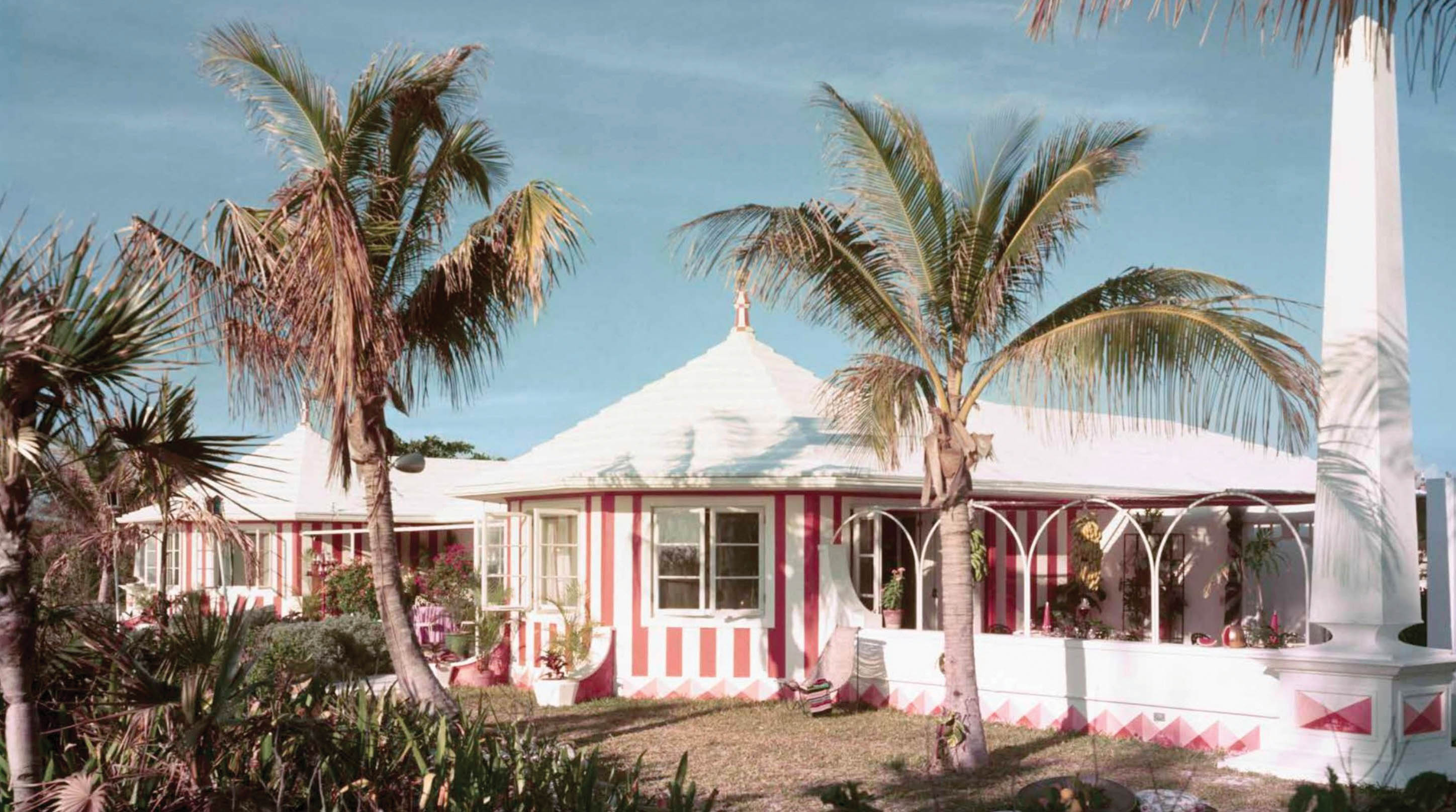
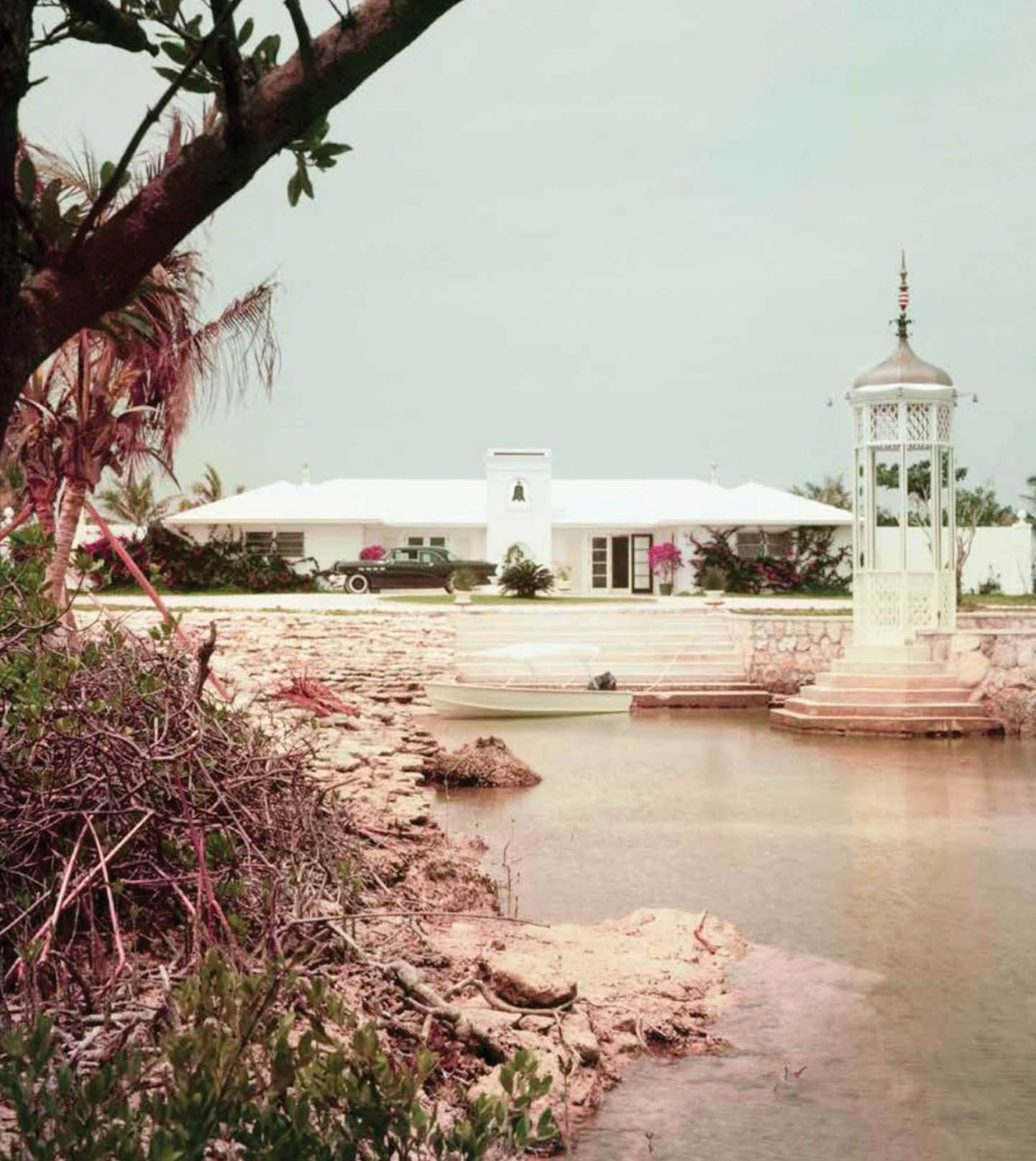
When Thunderball finally made it to the screen in December 1965, it was the fourth Bond movie. At the time, Paradise Island was still known by its original name, Hog Island, and was reasonably undeveloped. “There were no bridges,” notes Firth. “The only way to get there was by a little shuttle boat launch.” Transportation on the island was different as well. “Back then, we didn’t have cars on the island,” recounts local socialite Diane Hartford, in Filming James Bond in The Bahamas. “When people arrived off the boat, they had to take a horse and carriage to The Ocean Club.”
Firth’s book clearly lists the different Paradise Island locations featured in the movie. The Café Martinique, where Bond beats Largo at a game of baccarat and meets Domino for a drink and dance on the terrace, was situated on the southside of the current Coral at Atlantis, but closed in the 1990s. The tree-lined Casuarina Drive, down which 007 is driven by actress Lucia Paluzzi’s character, Fiona Volpe, also no longer exists. The set for the Kiss Kiss Club, where Volpe gets shot dead in the back, meanwhile, was built at what is now Cove Beach. “It was a pretty little cove, quite protected, and with a low surf,” recalls Hartford in the book. “There were steps leading up to the dance floor, which, in the dark, made it quite difficult to negotiate.”
Firth’s favorite location from the movie — the distinctive curved seawall with vertical struts, where Bond steals the diving equipment of a member of Largo’s team as they set out toward the nuclear warheads — still exists within the 154-acre Atlantis resort. “That little breakwater fascinated me the first time I saw it,” says Firth in his book. “I just love the architecture of it.” It sits on a channel originally dug out by one of the island’s former owners: a Swedish entrepreneur named Axel Wenner-Gren, who founded the company Electrolux. “He was accused of building the channel to hide German U-boats during World War II,” recounts Firth. “If you look at it, it’s barely deep enough to hold a canoe, never mind a submarine. It just goes to show people will believe anything.”
The atmosphere on the set of Thunderball sounds particularly pleasurable. “[Its director] Terence Young … was a person who liked a glass of Champagne,” notes Firth. “There would have been bubbly on set or on location.” Actress Martine Beswick, who played Bond ally Paula Caplan, spent the first two weeks of her stay in The Bahamas getting a suntan. Paluzzi, meanwhile, recalls everybody being very relaxed. “In The Bahamas, the weather can change rapidly, which is obviously a problem for continuity and schedules,” she told Firth. “But, even then … everybody just kept smiling.”
Sean Connery must certainly have been enamored with his time in The Bahamas. He bought a house at Lyford Cay on New Providence in 1982 and relocated there in the 1990s. “He liked the tranquility,” his close friend David McGrath recounts in Filming James Bond in The Bahamas, “even of getting off the plane.”